


I Was Losing Myself to Screens
- Dr. Scott Eilers, PsyD, LP

- Jul 25, 2025
- 4 min read
Technology doesn’t “ruin” your mental health, but your relationship with it can.
Our society’s connection to screens has become deeply unhealthy, and for many of us, it’s creating a self-perpetuating cycle of escapism and worsening mental health.
I know this firsthand. Five years ago, I didn’t realize how much my own habits were holding me back. I wasn’t glued to my phone 24/7, but the hours I spent scrolling, gaming, and watching shows were eating into the time I needed to take care of myself. And when you live with mental illness, your baseline needs for self-care and stability are higher than most people realize. Neglecting them even a little can send everything spiraling fast.
When “Just One More Scroll” Becomes a Way of Life
Every hour I spent zoning out with a screen felt harmless, but it wasn’t. I was trading away the things that actually kept me grounded: sleep, exercise, connection with my family, and even basic tasks like cooking a meal or stepping outside.
It’s not that screens are inherently bad, it’s that they quietly take the place of what really matters.
I didn’t want to admit it at the time, but my life was becoming something I needed to escape from, and technology made it too easy to run.
The Wake-Up Call That Changed Everything
One day, I realized I couldn’t keep living on autopilot. My mental health required structure, and I had been giving all my free time to screens instead of the things that helped me feel whole.
I started looking at my day like a budget. Just like you have to pay your bills before you spend money on extras, I had to invest my time in sleep, movement, relationships, and mental rest before I let screens take any of it.
Bottom-Up Time Budgeting
Most of us approach our time in a “top-down” way, you fill your free hours with whatever feels easiest or most fun in the moment (scrolling, gaming, binge-watching) and hope we’ll have time left for the things that actually keep us well. The truth? We almost never do.
Bottom-up time budgeting flips that approach. It means you start your day by asking:
What do I need to stay mentally and physically healthy today?
How much time do I need for rest, movement, meals, meaningful connection, and mental downtime?
These non-negotiables come first, like “time bills” you pay before you spend the rest on leisure. Once they’re taken care of, the leftover time can be spent however you want, screens included, without the guilt or fallout of neglecting your real needs.
For me, this looked like replacing one hour of late-night gaming with a 30-minute evening walk followed by time to stretch or journal. It also meant creating tech-free evenings with my wife and kids, no phones, just sitting around the table playing board games or talking about our day. Even small shifts, like swapping 15 minutes of morning scrolling for a quick bodyweight workout, had a ripple effect on my mood and focus.
This simple mental shift changed everything for me. When I prioritized the basics, I noticed my anxiety drop, my patience improve, and my energy come back. Even an hour of intentional exercise or real conversation with my kids felt more rewarding than hours of scrolling ever did.
Why This Works
Your brain and body are built for balance, not constant stimulation. Screens give you a quick hit of dopamine, but they don’t fulfill the deeper needs that stabilize your mental health, things like sleep, connection, movement, and a sense of purpose. When those needs go unmet, life feels heavier, which only fuels the urge to escape into screens.
Bottom-up time budgeting breaks that cycle by giving your mind what it truly craves first, so technology becomes a tool rather than a trap.
Putting Your Time Back Where It Belongs
You don’t need to ditch technology. But you do need to choose where your time goes, before your time chooses for you. A healthier relationship with screens starts when you invest in yourself first, because when your life is full of the things that truly matter, you won’t feel the need to escape from it.
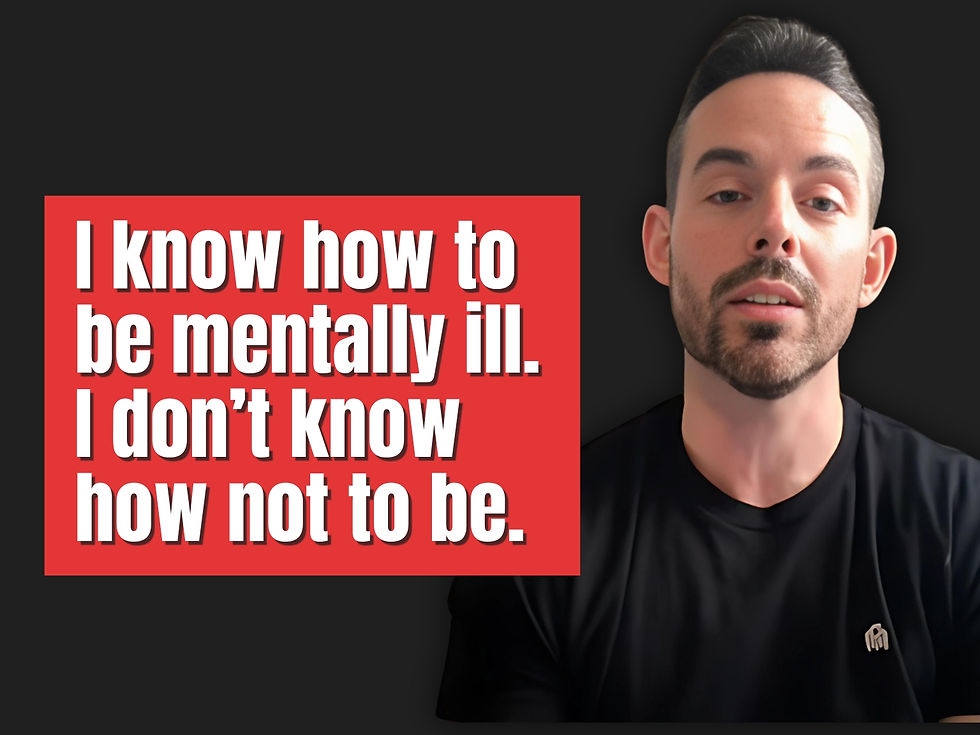
In this video, I'll show you how bottom-up time budgeting transformed my relationship with technology and mental health. You'll learn practical strategies to rebalance your daily routine without feeling deprived or left behind.
-Scott
Want practical tools for navigating life with depression and anxiety, delivered right to you every week?
Resources.
If you live in Iowa and need counseling, medication management, or psychological testing please contact my clinic (Iowa residents only)
Out of state counseling needs? This is the most comprehensive resource.
My Books
For those suffering with depression and feeling unseen and helpless, I wrote this for you - because I was you.
Dramatically improve your sleep in 2 steps with my new Sleep Workbook.


Comments